
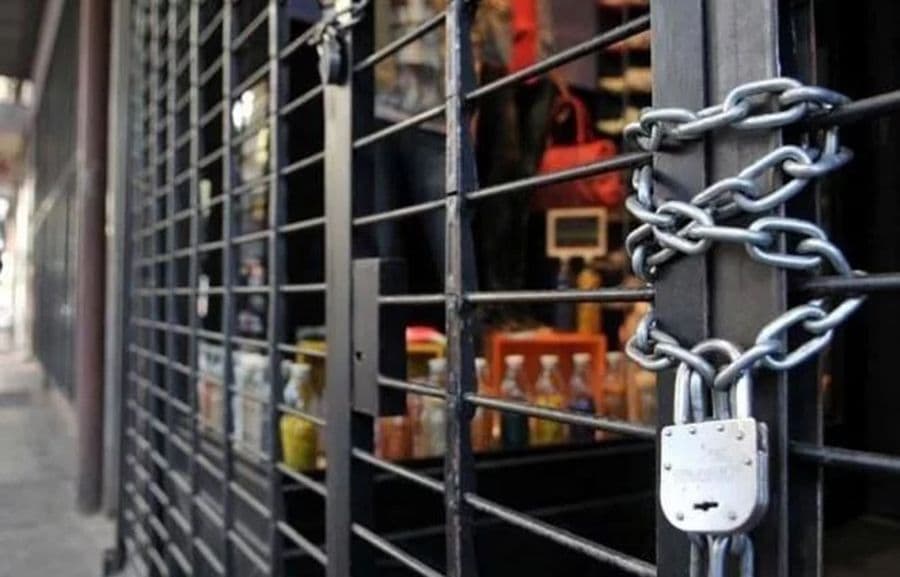
These are very difficult times for many companies, especially in countries that care as little about entrepreneurs as Spain does.
I never recommend starting a business. In Spain, even less.
The chances of success are minimal, the margins of opportunity are very small, the bureaucracy is unbearable and, if things go wrong, the absence of a real second-chance law can make your life extremely complicated if you do not handle things properly.
In other, more civilized countries, all of this is sometimes balanced by a certain social recognition simply for trying, for putting your own assets, time and effort into creating wealth and employment. But in this country, so often defined by its fratricidal culture, you will not have that luck. You will be criticized both if things go well and if they go badly.
For that reason, I only recommend entrepreneurship if it is truly vocational, if you are a bit of a masochist and cannot live without the freedom to create, as happens in my case.
I am writing this article because many entrepreneurs are struggling, and I know very well how painful it is to fail in business. The period between when things start to go wrong and when the business finally closes is terrible. Tension at home, sleepless nights, negotiations with the tax authorities and social security, suppliers to deal with, employees to dismiss who in some cases have become friends and the painful experience of watching so much work and effort collapse without fulfilling your purpose.
In my case, I went bankrupt twice. I must confess that I do not share the romanticism of cheap self-help literature that presents failure as an essential step toward success. That is simply not true, or at least it should not be. Learning from your own mistakes is valuable. Learning from the mistakes of others is much cheaper.
That is why I am writing this humble article. I would like to share my experience during my first attempts, filled with bad decisions and the mistakes of an inexperienced young entrepreneur that forced me to suffer, mature and learn very quickly.
If you are reading this and you do not know me, let me clarify something. I am not an expert in anything. These are very basic lessons directed mainly to entrepreneurs who are starting their first business with little experience and who may now be struggling because of the economic and health crisis.
FIRST MISTAKE: General business ignorance
When I started my first company, I had absolutely no idea what it meant to create and run a business. I was very young and began working as a salesperson. I became good at selling, then at training other salespeople and later at developing leaders to build teams. Since I worked extremely hard and loved helping people grow, I decided to develop those abilities for myself rather than for someone else.
The worst part is that things went very well. In five years we went from six people to nearly two hundred. But I had only focused on the one thing I knew how to do and made no effort to educate myself in the other areas necessary to run a company successfully.
To give you an idea of the chaos, I had not even created a limited company when I was already invoicing half a million euros a year. I never worried about recording expenses. I only thought about growth. I did not care about anything else, nor did I delegate those responsibilities to someone who could manage them properly. Today, when I review the tax declarations from that time, I feel like crying. The tax authorities were delighted.
All of that disorder eventually took its toll when things began to go wrong. If at that moment, instead of feeling proud about growing while remaining ignorant, I had invested time in studying, learning and organizing the company, I would have been far better prepared to face difficulties.
The first lesson I learned is that success in business requires more than specialized knowledge in one area. The best chef in the world may repeatedly fail in the restaurant business if he does not understand the broader aspects of managing a company.
Before starting a business, educate yourself. While running it, continue educating yourself.
SECOND MISTAKE: Making decisions too late
It is very common to fall in love with your first company, especially if it has been a positive experience and has brought you financial success.
You almost feel as if it were a child you cannot abandon. Emotional bonds with fulfilled dreams are powerful. You invested effort and affection into it, you enjoyed the experience for some time, and when things begin to deteriorate you discover your attachment. You resist accepting that it may be time to close the door. Most of us remain optimistic when the alternative would require painful decisions.
I went through that myself. The first time I went bankrupt it was because I did not close my company in time. I ended up selling furniture from my house to pay my employees. It was extremely painful and, in retrospect, unnecessarily so.
A company is simply a tool for generating income. Nothing more. If it no longer generates money and there are no signs that it will do so in the near future, the best decision is to close and prepare for the next attempt. But you must close on time, not when losses and stress have already accumulated.
It is always helpful to have two or three trusted people with business experience who can give you honest advice from the outside when you reach a critical moment. When you are inside a company that is starting to fail, it is very difficult to maintain objectivity. At that moment, you need outside perspectives more than ever.
In fact, one recommendation I strongly give when your first business begins to show signs of an uncertain future is to update your résumé and attend job interviews. You may dislike the idea of working for someone else and it may never become necessary, but seeing the market and realizing that you have a possible plan B gives you the peace of mind needed to make better decisions.
The same often applies to dismissing employees. If you are empathetic, you will never find it easy to fire someone. For me it has always been the hardest part of business. But you must remember that a company is not a charity. I did not always understand this and I paid the price for trying to keep an entire team when the numbers clearly showed that it was impossible.
If this decision is difficult, remember that dismissing someone does not necessarily mean it is forever. In fact, sometimes it is the only way to survive and eventually hire them again. That is how I used to explain it. The numbers show that I cannot afford the privilege of keeping you now, but if I manage to rebuild the business I will call you before another opportunity appears.
THIRD MISTAKE: Not valuing lawyers and advisors enough
My inexperience also made me pay a very high price for not surrounding myself with good lawyers and advisors at key moments.
The second time I went bankrupt happened during a commercial campaign for a company everyone knows. It was the first time they had trusted an external company to conduct a direct sales campaign in Spain. We grew enormously. In my office alone we were making more than one hundred sales per day and the revenue was extraordinary.
What happened? We were paid almost nothing. Why? Because of my mistake. We did not pay enough attention to the contract. The company had no time limit between the moment we closed a sale and the moment they installed the service. A massive backlog appeared due to the unexpected number of sales. Customers were not contacted for installation until six or eight months after signing the contract. More than eighty-five percent canceled their orders and we had to absorb the entire loss because we had not hired a lawyer to properly review the contract.
From that moment I learned something fundamental. If you are going to operate in business, good lawyers and advisors are always cheap. Being well surrounded is essential, both when things go well and when they go badly.
FOURTH MISTAKE: Putting all your eggs in one basket
As you may have noticed, my first direct sales company gave me many headaches but also unforgettable moments. Another major mistake I made was failing to diversify when things were going well. You should never bet everything on one venture, as I did, and even less on a single company.
I am not going to lecture you about investing. There are already countless financial experts writing about that subject. But if I could go back in time, I would have invested in other businesses and sectors to spread the risk.
FIFTH MISTAKE: Not involving your family
This topic deserves an article of its own, but I will try to summarize the most important lesson I learned.
Entrepreneurship, like any transformative journey, can be very lonely, especially when things are not going well. You become accustomed to receiving setbacks every day while trying to show a positive face to clients, employees and your family.
At some point you may start believing you are a kind of superhero who must carry the entire burden without sharing it with those closest to you. Do not do that. Not for your sake, but also not for theirs.
Your family suffers when your company struggles. In fact, they may suffer even more than you do. They sense that things are not going well even if you try to hide it, yet they lack the information you have. That uncertainty can be deeply distressing.
Your family comes first. If your business decisions affect family life, they should know what is happening. Transparency creates security. They can support you, advise you and accompany you through the process. Even if the company ultimately fails and creates difficulties, they will know that you respected them enough to include them in the journey.
SIXTH MISTAKE: When the company fails, you have not failed
Once you decide to close your company, even if you have made many mistakes and both you and the company carry debts, you still have the opportunity to close that chapter with dignity. That will be the first step toward a better rebirth.
Never think that you are worthless after closing a business. Do not hide from reality or bury your head in the sand. Do not leave an unresolved company with debts in the hands of an underpaid advisor while you check on the situation every five years.
If necessary, ask family or friends for help. Use the last money you have to hire a good lawyer and proper advice. Meet personally with everyone you owe money to. Explain the situation honestly. Give them your contact information. Tell them you want to repay your debts but will need time and their trust to rebuild.
Gentlemen are known by how they close the door when they leave. How you close one door often determines how the next one will open.
After doing everything possible to close that chapter properly, raise your head. Remember that you were brave enough to try, that you worked hard and that making mistakes is human. Now you have knowledge and experience. This is not the time to lose enthusiasm. It is the perfect moment to use that enthusiasm again with better judgment.
These are very hard times in Spain. Many businesses will close and many entrepreneurs will suffer. That is why I wrote these lines. If these experiences help even one person, it will have been worthwhile.
Even if you must close the doors of your business, do it well and with your head held high. People like you, people who create, are needed now more than ever.
I truly admire you.
If there is anything I can do to help, you will find my contact information on this blog.
Stay strong.